
Early Detection of CP for Primary care
Are you a primary care provider who is interested in learning how to better serve your patients at higher risk of disability?
Get your training today!
This course offers text, video, audio and dynamic interactions with quizzes, case examples, examination moves, and evidence-based expert content on how to work with infants and families at higher risk for Cerebral Palsy in California. Primary care providers play a crucial role in developmental surveillance, screening, and referral for developmental evaluations for young babies. Get trained to be better prepared to help identify early which of your patients are at a higher risk of disability.
Here’s what you’ll learn
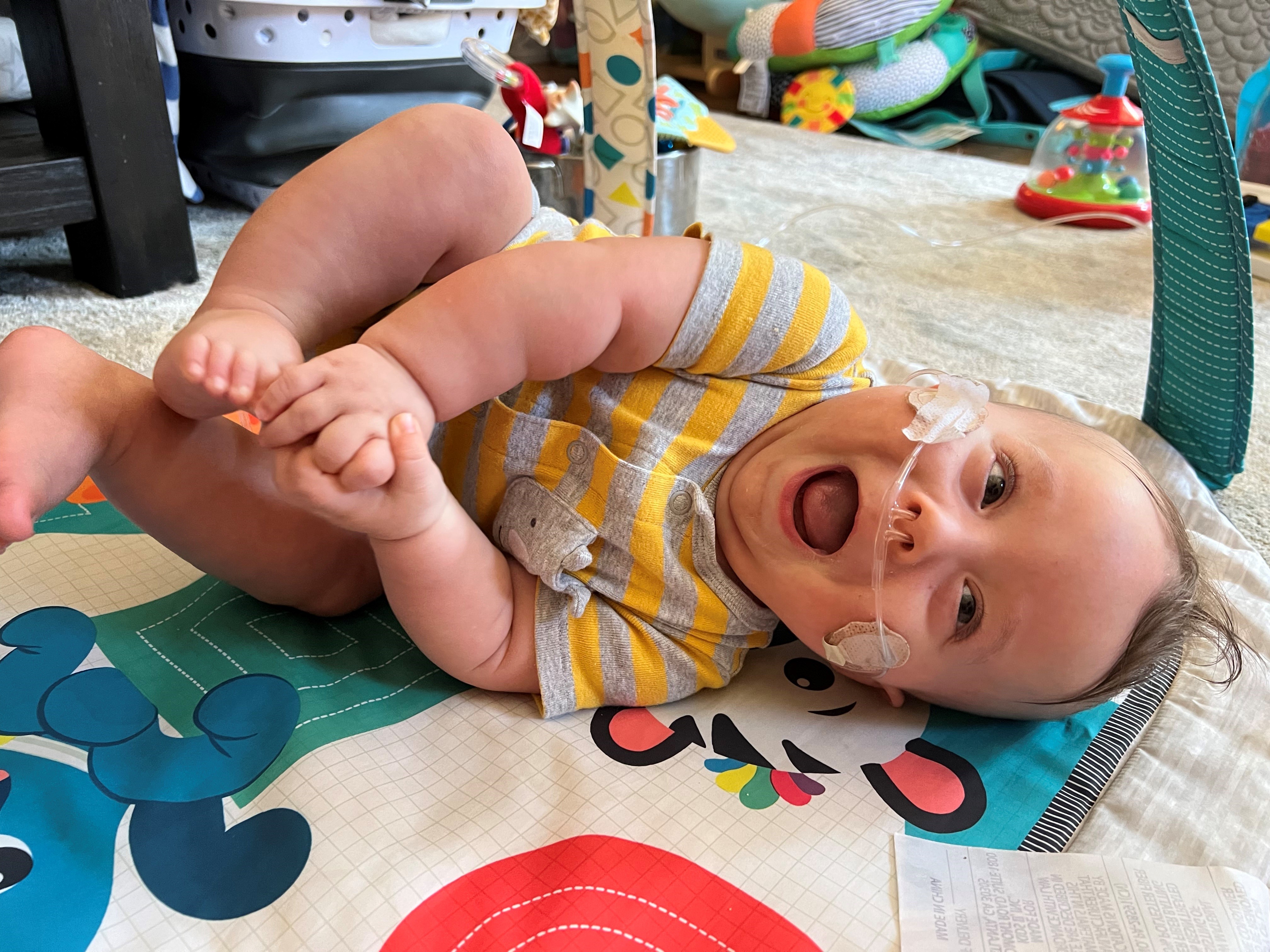
Increase Your Awareness of the Need for Early Detection
Understand the impact and importance of early detection of developmental disability on infants and families as well as access to evidence-based rehabilitation services.
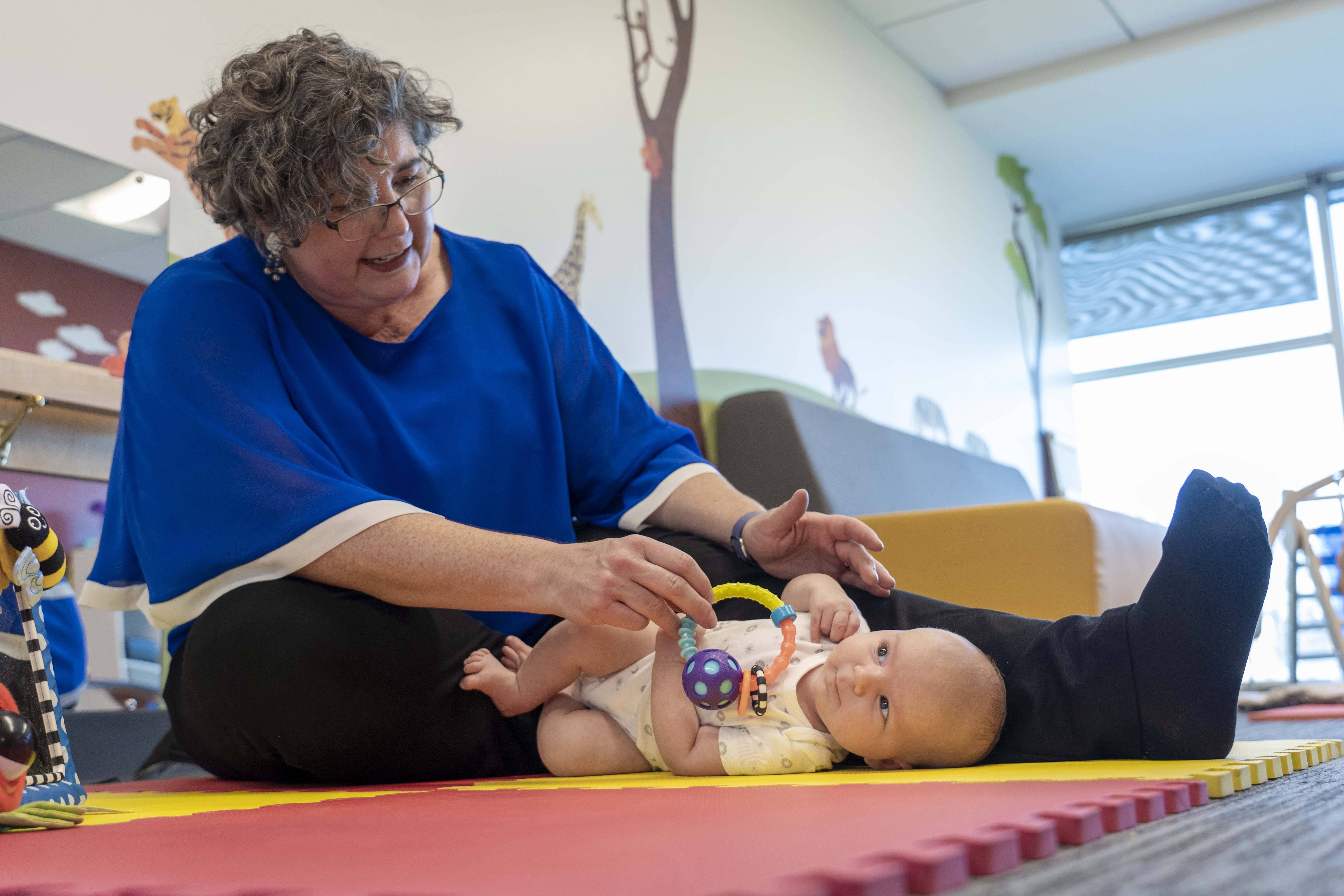
Incorporate Early Detection and Early Intervention Resources for Families
How to identify at-risk children with exam moves and case examples, utilize the best practice guidelines, and interpret results for referrals.
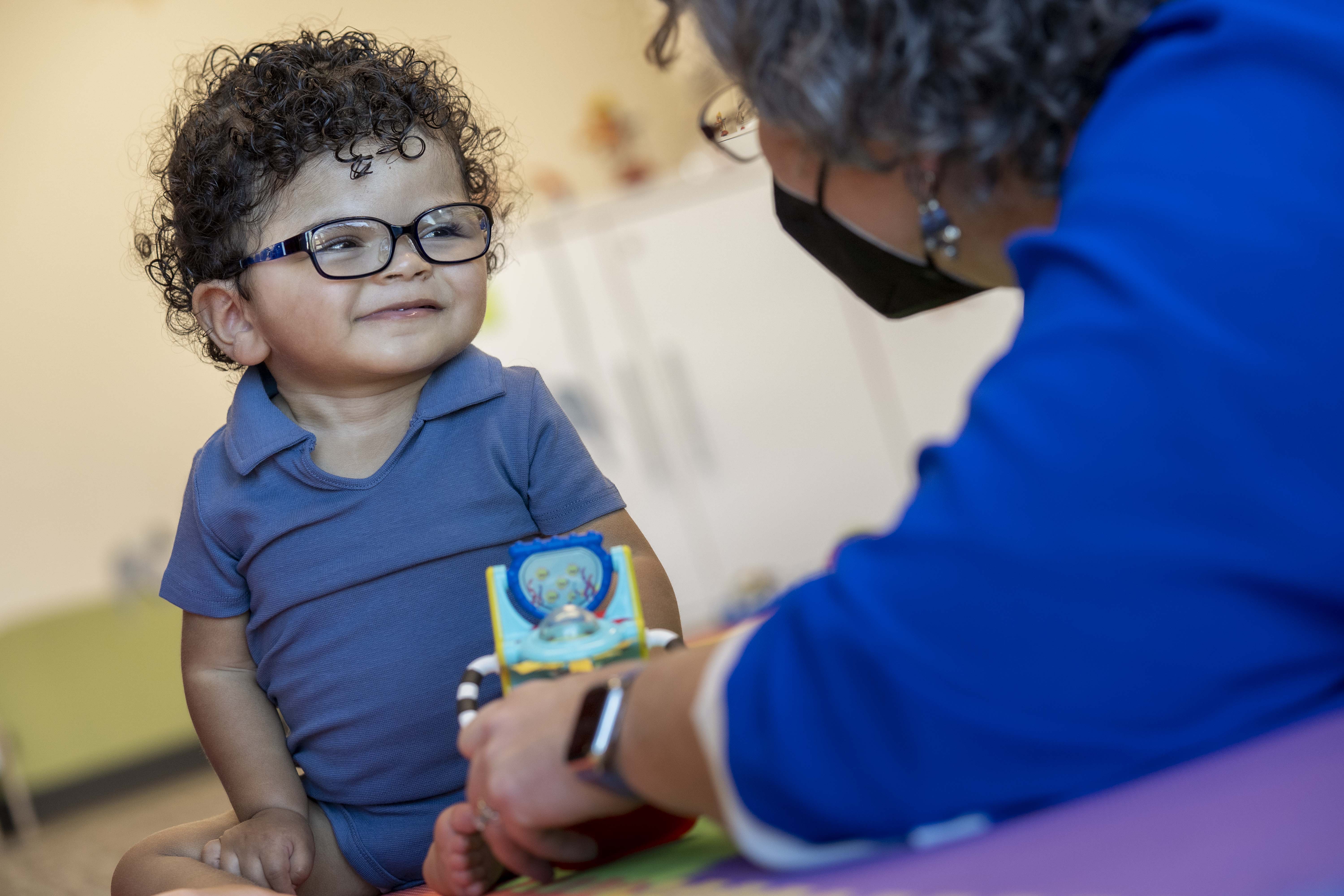
Make the Most Appropriate Referrals to Services for Each Individual Child
Gain confidence in how to communicate concern with families, and steps for recommending and referring eligible infants to state services and evidence-based therapies.
Sample Training Content
Course Lessons
Accreditation Statement
The Keck School of Medicine of USC is accredited by the Accreditation Council for Continuing Medical Education (ACCME) to provide continuing medical education for physicians.
Credit Designation
The Keck School of Medicine of the University of Southern California designates this enduring material activity for a maximum of 1.50 AMA PRA Category 1 credits TM. Physicians should claim only the credits commensurate with the extent of their participation in the activity.