
high risk infant follow-up
-

Award: California Primary Care Provider Education on Early Identification and Intervention for Infants
We are excited to share that the “California Primary Care Provider Education on Early Identification and Intervention for Infants (cPCP-EI3) Project” has been awarded $20,000 from the United Cerebral Palsy Foundation 2025 Pilot Extension Grant. PI Dr. Christiana Butera, mentored by Dr. Stacey Dusing, is a member of the EI3 leadership team and an Assistant…
-

Development of the Early Identification and Intervention for Infants (Ei3) Network
Introduction: Early diagnosis and CP-specific early intervention are essential for supporting global development of infants with CP and improving long-term outcomes. In 2017, international guidelines were published recommending specific timing and use of standardized measurement tools for the early accurate detection of CP. When healthcare providers follow these guidelines, it allows for infants as young…
-

Understanding Cerebral Palsy: Symptoms and Early Signs
Introduction: Cerebral palsy (CP) refers to a group of neurological disorders that appear in infancy or early childhood and affect body movement and muscle coordination. CP is caused by damage to or abnormalities inside the developing brain that disrupt the brain’s ability to control movement and maintain posture and balance. The term cerebral refers to…
-

AWARD: Pioneering In Early Detection for At-Risk Infants
We are thrilled to announce that the “Provider Education and DHS Implementation of Early Identification and Intervention for Infants (PEDI_EI3) Project” has been awarded the DHS-USC Safety Net Innovation Award sponsored by the Southern California Clinical and Translational Science Institute. This project, a collaborative effort with DHS led by PI Stacey Dusing of the Division…
-
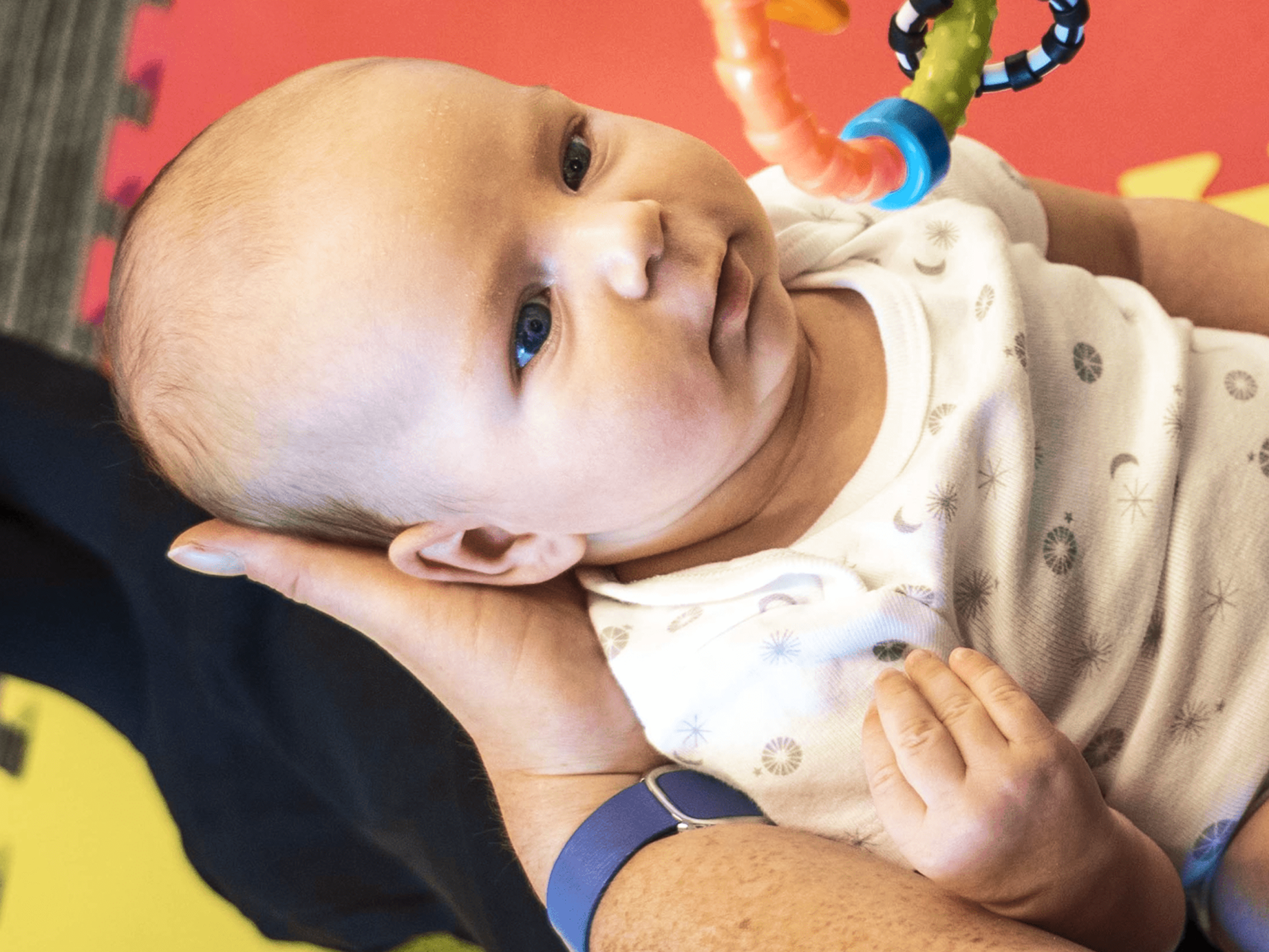
Using the Hammersmith Infant Neurological Examination in Clinical Practice
Neurological impairments such as tight muscles, brisk reflexes or reduced quality of movement can be signs of underlying damage to the nervous system. Identifying these signs early may allow for early intervention when the body and brain repair connections best. One crucial tool in this endeavor is the Hammersmith Infant Neurological Examination (HINE). In this…
-
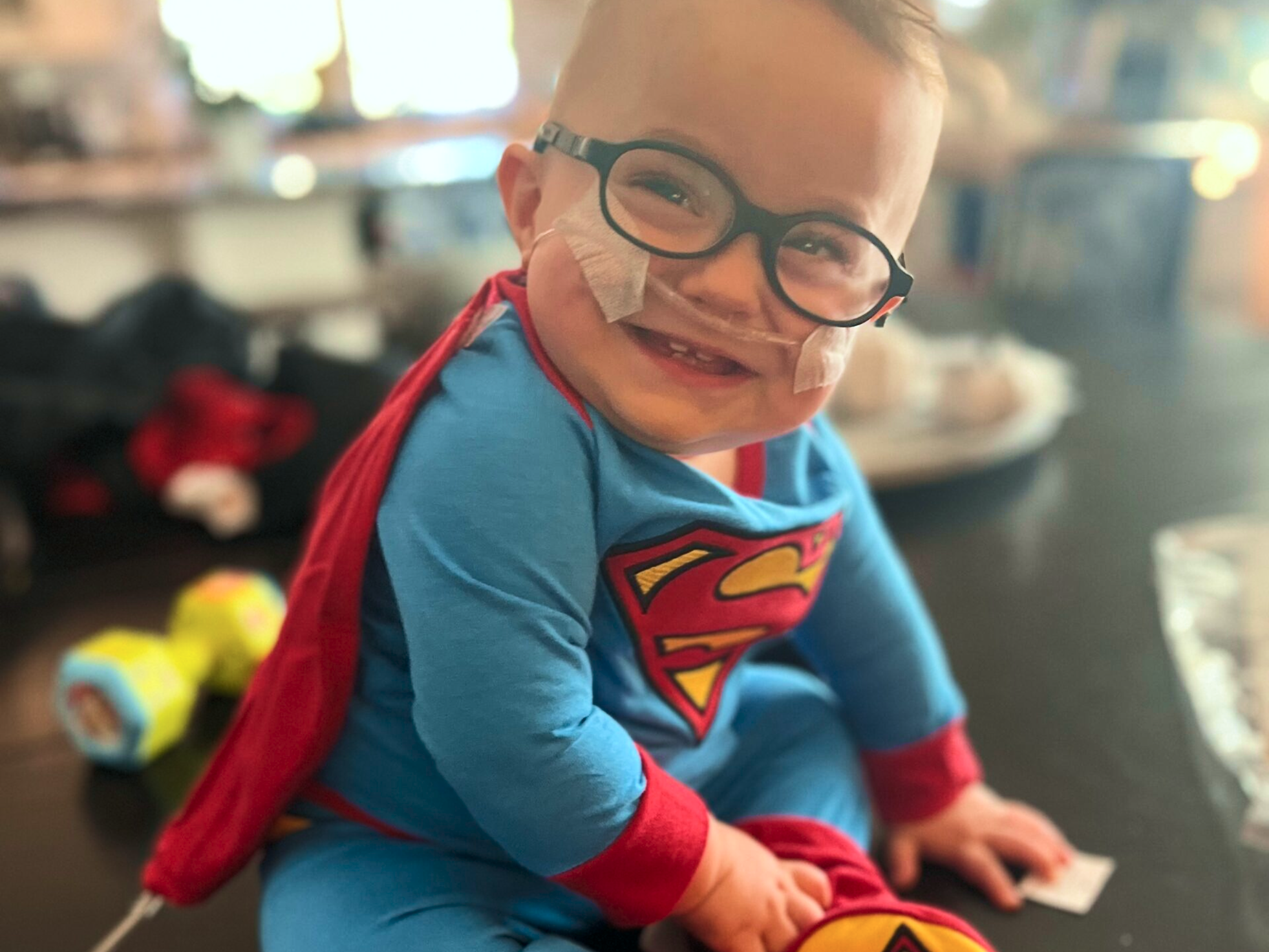
International Clinical Practice Guidelines for the Early Detection of Cerebral Palsy
Introduction Cerebral Palsy (CP) is a neurodevelopmental disorder that affects movement, posture, and muscle tone, originating from brain damage in the womb, during, or soon after birth. The early detection and management of CP are paramount in improving a child’s long-term developmental outcomes. In this blog post, we will explore the international clinical practice guidelines…
-

One Family’s Story: Navigating Early Adversity
One Family’s Story by: Scott Gorshein Jul. 28, 2023 When we started on the journey to becoming fathers, we tried to plan for everything. We had chosen the healthiest embryos, found an excellent surrogate and held her hand through the whole process. During labor, our son arrived vaginally without problem. Then, 45 minutes went by,…