
hospitals
-

AWARD: Pioneering In Early Detection for At-Risk Infants
We are thrilled to announce that the “Provider Education and DHS Implementation of Early Identification and Intervention for Infants (PEDI_EI3) Project” has been awarded the DHS-USC Safety Net Innovation Award sponsored by the Southern California Clinical and Translational Science Institute. This project, a collaborative effort with DHS led by PI Stacey Dusing of the Division…
-
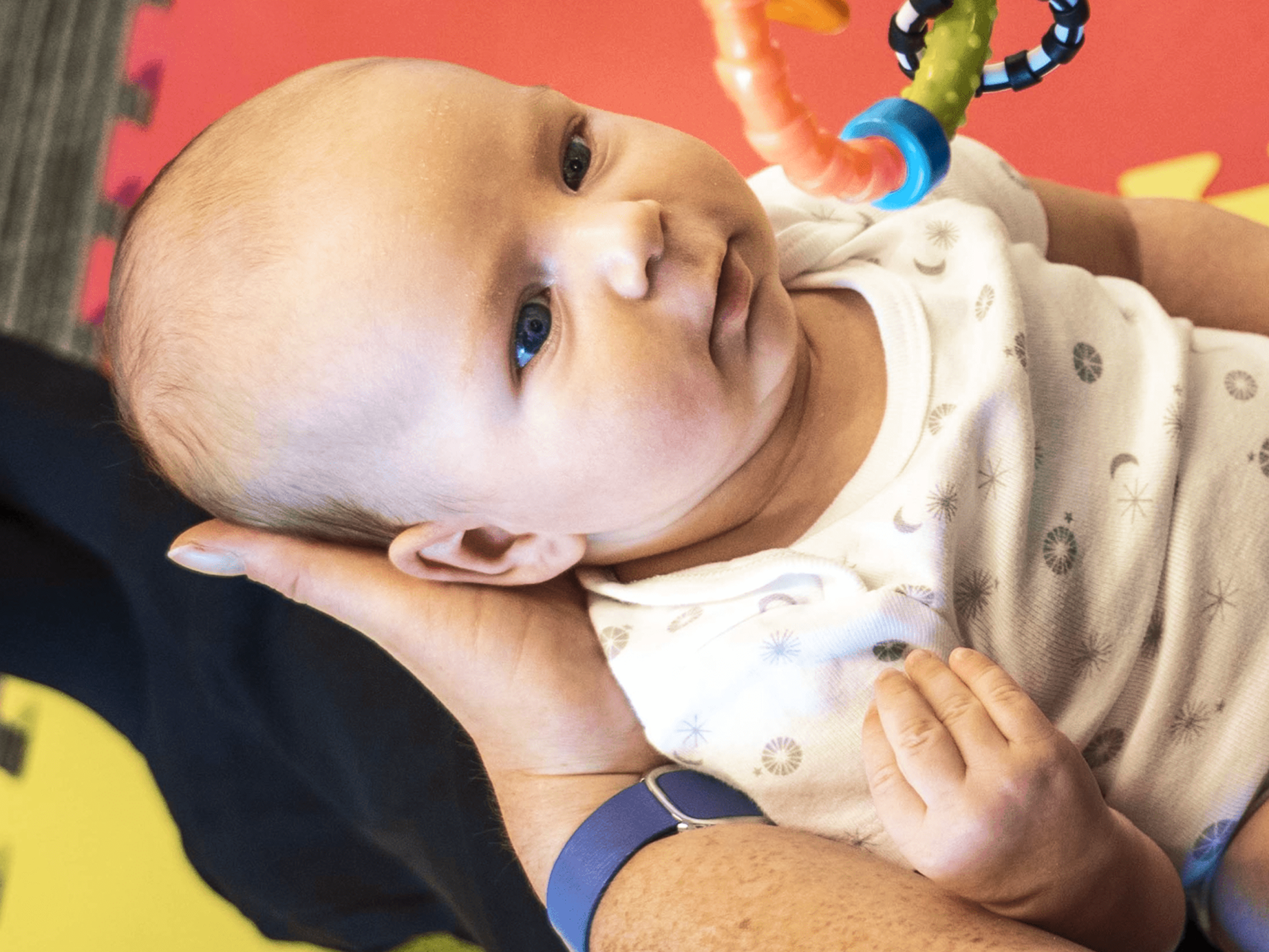
Using the Hammersmith Infant Neurological Examination in Clinical Practice
Neurological impairments such as tight muscles, brisk reflexes or reduced quality of movement can be signs of underlying damage to the nervous system. Identifying these signs early may allow for early intervention when the body and brain repair connections best. One crucial tool in this endeavor is the Hammersmith Infant Neurological Examination (HINE). In this…
-
International Clinical Practice Guidelines for the Early Detection of Cerebral Palsy
Introduction Cerebral Palsy (CP) is a neurodevelopmental disorder that affects movement, posture, and muscle tone, originating from brain damage in the womb, during, or soon after birth. The early detection and management of CP are paramount in improving a child’s long-term developmental outcomes. In this blog post, we will explore the international clinical practice guidelines…